

Home battery and energy management from Echt
The power your panels generate should stay yours, not the grid's, and not the next decision from The Hague. Dysun Energy arranges that with a home battery that steers itself.
Why people choose a home battery
It is about more than the bill.
01
Your own control
You invested in solar panels. It is odd to give that power away during the day and buy it back in the evening. With a battery you decide when you use your own electricity.
02
Protected against changing rules
Dutch net metering ends, feed-in charges are coming, tariffs are turning dynamic. Nobody knows what applies in 2029. A battery makes you less dependent on decisions you do not make yourself.
03
Peace of mind
You do not have to watch the electricity price every hour. The system charges, discharges and shifts your usage automatically. You see what happens in the app, and that is all it asks of you.
04
Ready when the grid falters
During an outage the inverter switches to a separate backup group within 10 milliseconds. If you want your whole home to keep running, we add FlexSwitch One.
Backup power for the whole home requires FlexSwitch One; by default the inverter feeds one group.
Why Dysun Energy
Four reasons that make the difference
Not a catalogue but the essentials: what this system gives you on the day it is installed, and in the ten years after that.
Everything from one house
Battery, inverter and energy control are designed for each other: PCS, EMS and BMS integrated, no tuning between brands. The cable-free design saves up to 50% of the installation time.
Built for years, not for the demo
7,000 charge cycles and a ten-year warranty on the battery pack, LFP cells and a seven-layer safety system in an IP66 enclosure that can take an unheated garage.
The control is included
Every system ships with our energy management system, which steers charging and discharging on live electricity prices. The battery does not only save, it earns alongside you.
A company that picks up the phone
Our own stock and training rooms in Echt, the Netherlands, delivery through certified installers, and support you can simply call. No reseller construction.
Which home battery suits your home?
The type of connection in your meter cupboard decides. If you do not know it by heart, we will look with you, it takes two minutes.
Smart home battery for single-phase homes
FlexVolt One LV. Compact and expandable per module, suited to most existing homes.
5,1 – 20,4 kWh three-phase homePowerful home battery for three-phase homes
FlexVolt One HV. More power for larger homes, a heat pump, a charging point or a higher consumption.
7.6 – 22.7 kWh I am not sureLet us take a look
Tell us your annual consumption and we will work out which connection you have and which set-up fits. No obligation.
reply within two working daysThe numbers, worked out honestly
Three situations, calculated with our own calculation model. You get a range rather than a single figure, because what a battery yields depends heavily on your energy supplier. How that works is explained below.
This is how we calculate. You are welcome to check it.
Calculated on 22 October 2026 with the Dysun Energy calculation model, for the
Dutch market: electricity price € 0.34 per kWh rising 1% a year, feed-in
payment € 0.05 per kWh (an assumption; the legal minimum from 2027 is 50% of
the bare supply rate), a round-trip efficiency of 95% and no
Dutch net metering from 2027. The payback period includes VAT but not
installation.
Without a HEMS subscription and without a capacity tariff, which does not exist yet for
households.
Why a range? What you net on electricity you feed back differs per
supplier: in published Dutch tariffs for 2027 from +1.2 to −7.4 cents per
kWh, around zero for most large suppliers. If your supplier charges a lot for
feeding back, the battery pays for itself sooner: that is the lower end of the range,
including the time-of-use grid tariff expected from 2029. The upper end applies with the
most generous payment. These amounts follow Dutch rules and do not transfer to another
country. Check your own contract, or work it out yourself.
8 solar panels · single-phase
2,500 kWh a year
With a 5.12 kWh battery
€ 360 – 561a year
payback period 6 to 9 years
11 solar panels · single-phase
3,500 kWh a year
With a 10.24 kWh battery
€ 558 – 834a year
payback period 7 to 9 years
16 solar panels · three-phase
5,500 kWh a year
With an 11.4 kWh battery
€ 804 – 1,205a year
payback period 6 to 8 years
The battery lasts longer than the time it needs to pay for itself. Over fifteen years it returns roughly 1.4 to 2.6 times the investment, installation included. The years after the payback period are the return.
Retrofit
Already have solar panels? They stay exactly where they are.
The battery is placed next to your existing inverter, not in its place. That is why it works alongside virtually any inverter, whatever the brand.







Brand names and logos are the property of the manufacturers concerned; mentioning them does not imply a partnership. How the retrofit works
Put your stack together
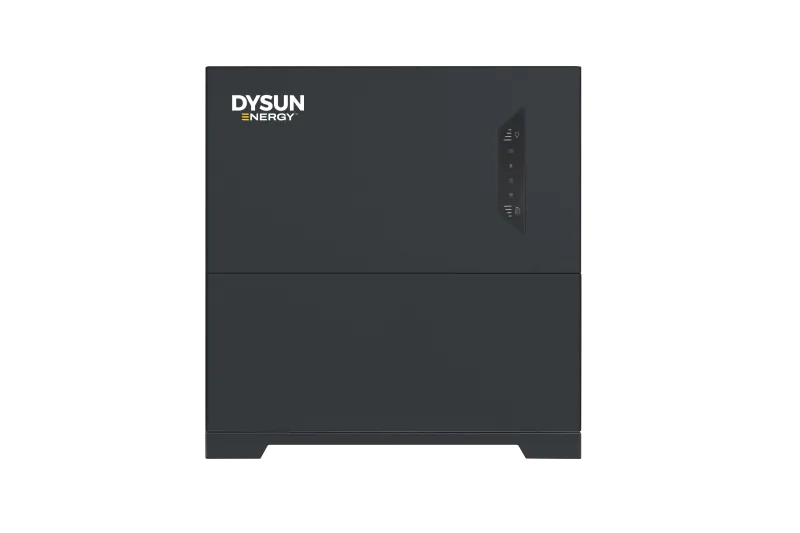
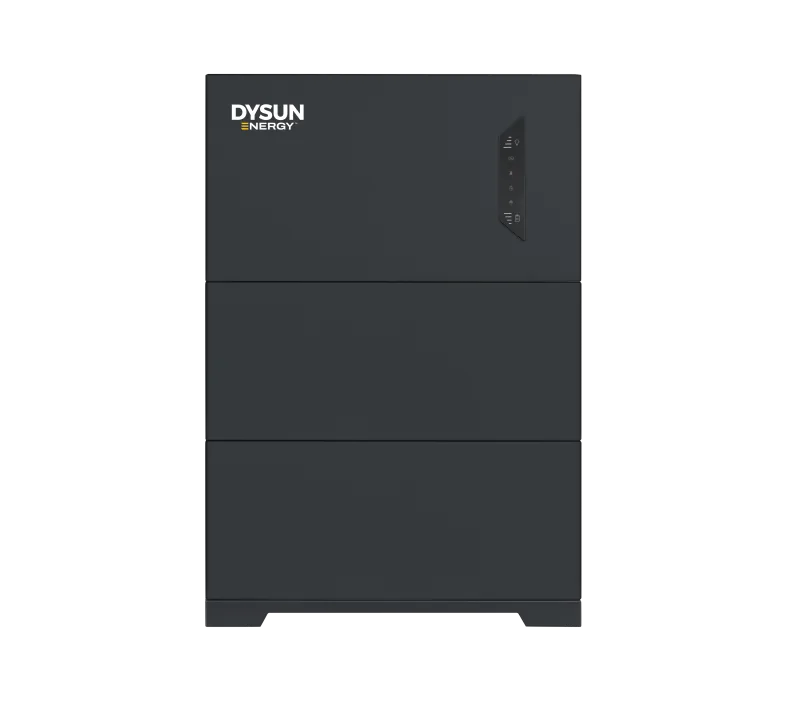
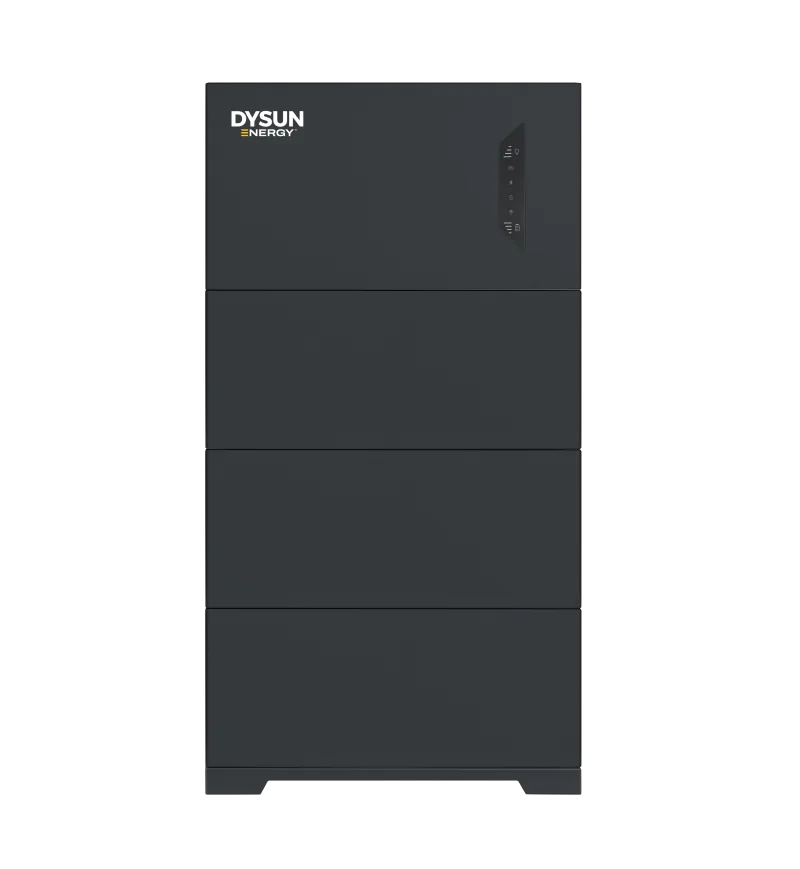
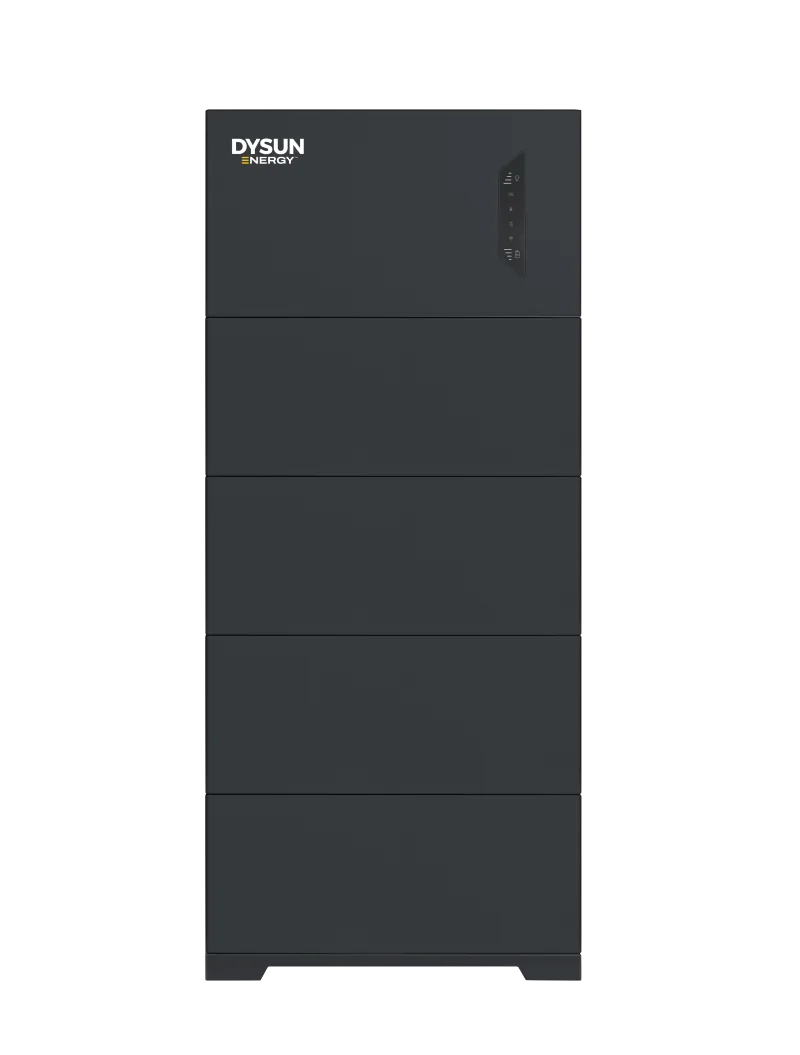
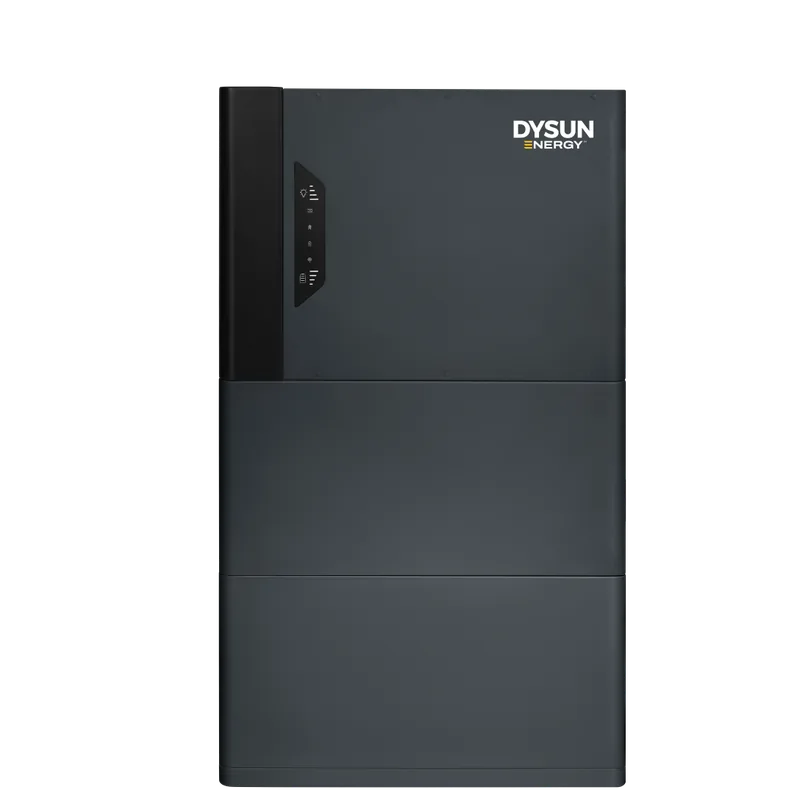
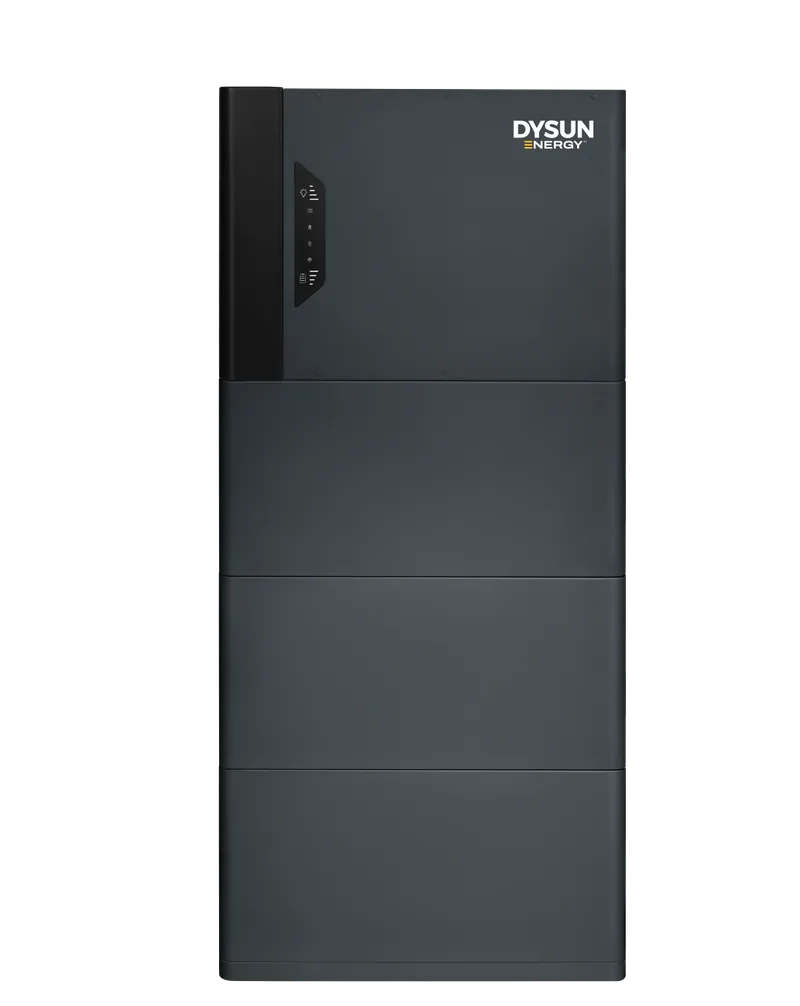
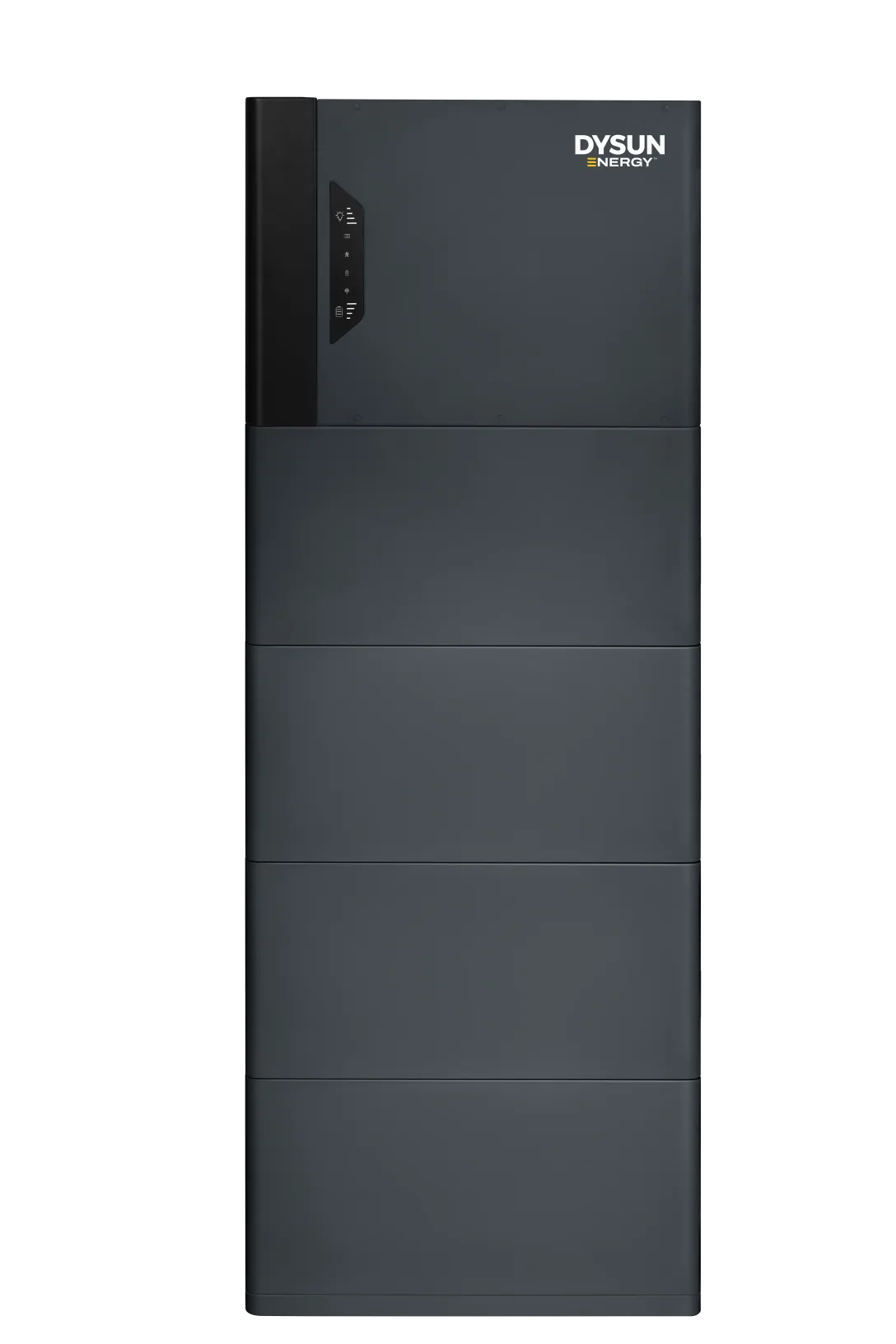
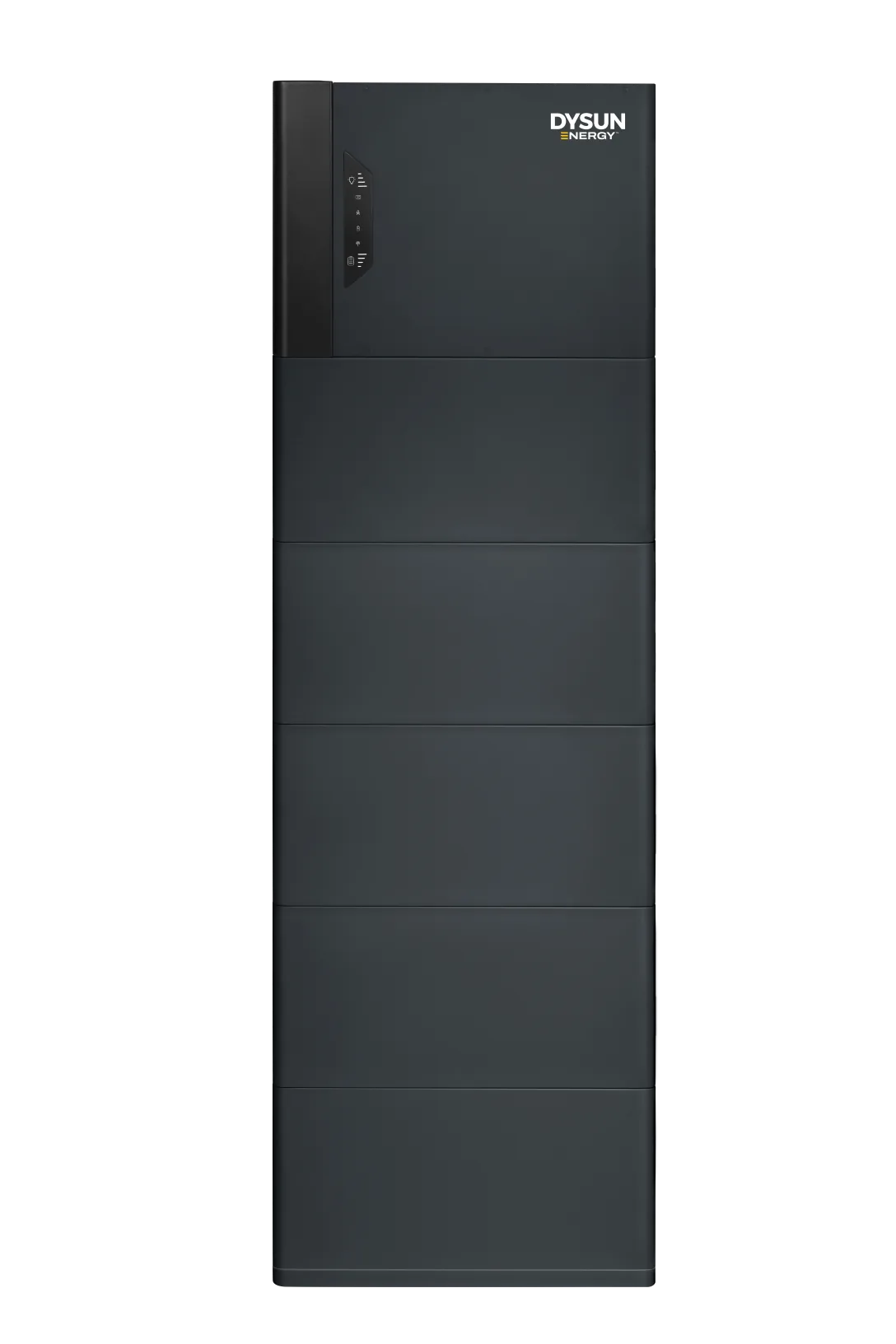
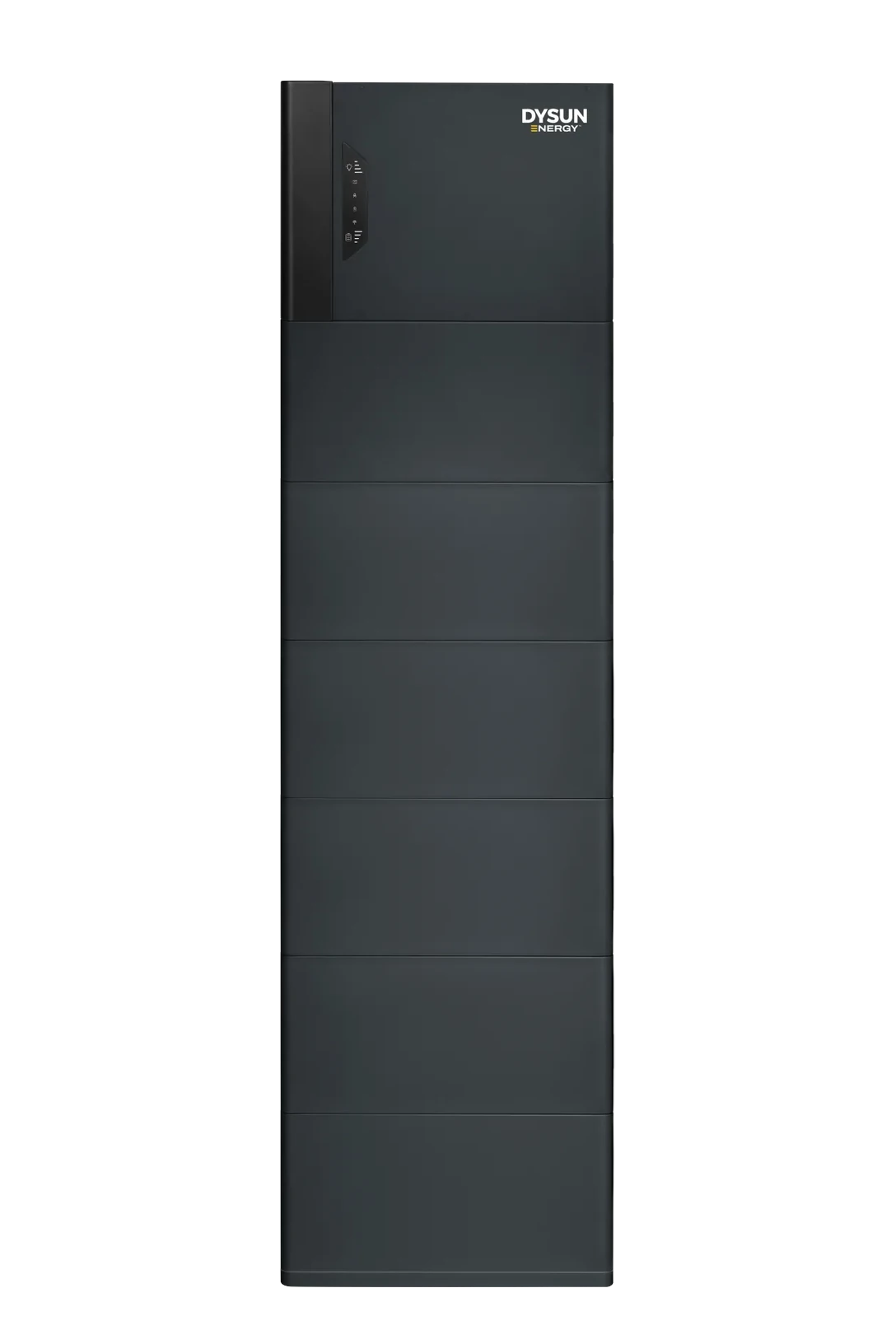
Choose the version that suits your connection and scroll through the set-ups. The LV works with modules of 5.12 kWh and starts at one module; the HV works with modules of 3.8 kWh and starts at two. Both grow as your consumption grows.
- System energy
- 10.24kWh
- Usable
- 9.5kWh
- Modules
- 2× 5.12 kWh
Depth of discharge 95%. Dimensions and weight per set-up are in the datasheet: 23 × 72.5 cm footprint, 74 to 164 cm high.
Everything about the home batteryA day in the life of your battery
Electricity prices move all day. The battery follows that movement automatically: charging when it is quiet and cheap, delivering when it is busy and expensive.
Schematic view, not the tariffs of any particular day.
-
02:00
Charging at the low rate
The grid is quiet and electricity is cheap. The battery fills up without anyone losing sleep over it.
-
07:30
Skipping the morning peak
Everyone gets up and the price shoots up. Your shower, coffee and heating run on your own electricity.
-
13:00
Storing your own sun
Your panels generate more than you use. That surplus goes into the battery instead of onto the grid at a feed-in charge.
-
18:00
Absorbing the evening peak
The most expensive hour of the day. Cooking, washing and charging run on what you stored last night and this afternoon.
Today's electricity price, hour by hour
liveThe hourly prices for the Dutch day-ahead market are fetched live from EnergyZero. If that fails, see them on our prices page.
A battery is hardware. The difference is in the control.
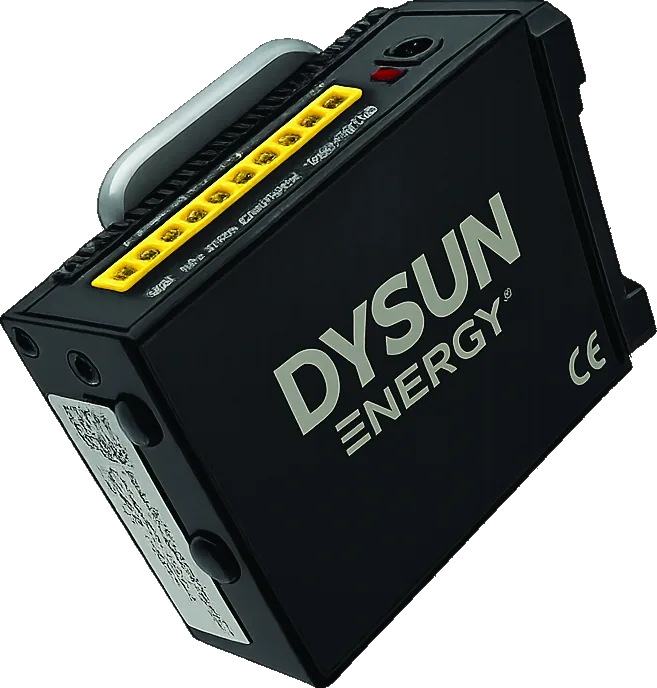
FlexGrid trades automatically on the day-ahead and imbalance markets, forecasts your consumption and solar yield with AI, balances your phases and charges your car at the cheapest moment.

Innovation only gains value once people can rely on it.
Five years building one chain
Dysun Energy develops complete energy solutions rather than loose batteries. Since 2020 we have been building our own product development, our own stock in the Netherlands and training rooms for our installers.
Where we stand
A young company. Not a young product.
Dysun Energy has been around since 2020. Those years went into product development, a chain we keep in our own hands and the organisation around it. Our systems first ran as pilot projects in customers’ homes. That phase is behind us: what you buy now, we deliver from stock in Echt.
Want to know what suits your home?
Send us your annual consumption. Within two working days you get honest advice: which set-up fits, what it costs indicatively and what it returns. Including if the answer is that you are better off waiting a while.