
Measuring what actually happens
First it has to be clear what comes in, what goes out and what is in the battery. Generation, consumption and storage come together in one overview, in real time. Without that picture, every decision is a guess.
Electricity has long since stopped having the same value all day. The moment at which you charge, discharge and consume decides what you pay at the end of the year. Energy management is about who picks that moment: you, by hand, or a system that does it for you day and night.
Your solar panels deliver when the sun shines. Your car charges as soon as the plug goes in. Your heat pump runs when it gets cold. None of those devices knows what the others are doing, and none of them looks at the electricity price.
As a result, generation and consumption drift apart: when your panels deliver most you are usually not at home, and when everything is on there is no sun. Without control your own power goes onto the grid and you buy back later what you could have used yourself.
Keeping track of that by hand is not a serious option. Prices move during the day, the weather changes and your own rhythm varies. Energy management takes those decisions over: it drives your devices and your storage locally, so responses are fast and you do not have to follow anything.
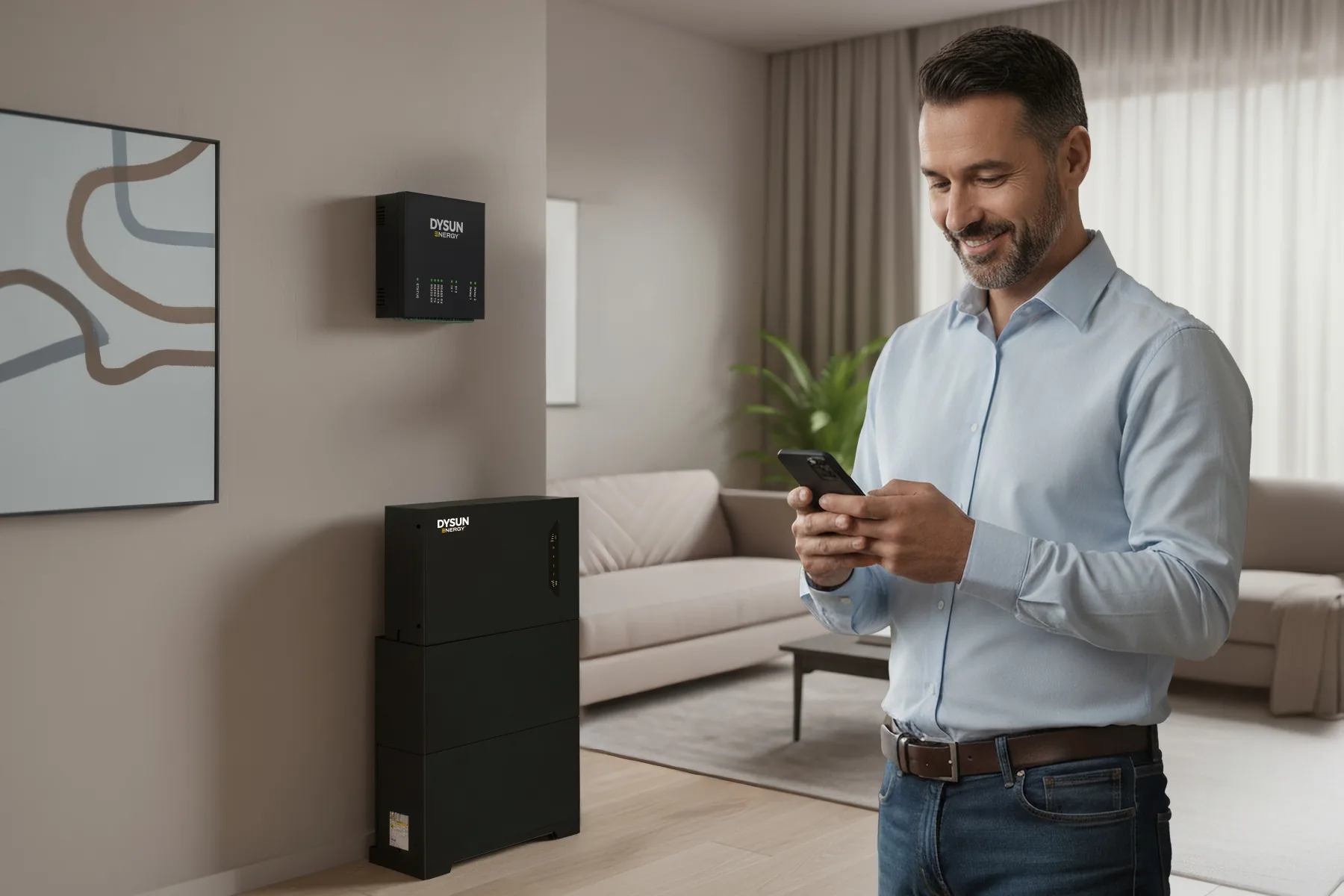
The hardware is identical in both cases: the same panels, the same battery, the same connection. The difference is whether something is watching and stepping in.
The battery charges when there happens to be sun and is empty when electricity gets expensive. The car draws full power as soon as you get home, exactly when the heat pump kicks in as well. That is how peaks arise that return you nothing and load your connection unnecessarily.
On top of that you cannot see where it goes wrong. There is an annual statement and otherwise a hunch. If a device keeps performing badly, you notice only when the bill arrives.
The system spreads generation, storage and consumption across the day based on your actual use, the expected sun and the energy prices. Surplus sun goes to the battery, the heat pump or the charging point instead of onto the grid, and buying in happens at the moments that are favourable.
At the same time the system keeps your consumption and feed-in within the limits of your connection. That prevents overloading and curtailment, and you see in real time what is happening instead of afterwards.
Smart control is not one clever trick but three steps that follow each other. Skip one and the rest no longer adds up.
First it has to be clear what comes in, what goes out and what is in the battery. Generation, consumption and storage come together in one overview, in real time. Without that picture, every decision is a guess.
Then the system looks ahead. With AI it forecasts your consumption, your solar yield, your charging moments and your heat demand, and weighs those against tomorrow's energy prices. That way today it is already decided whether filling up pays or whether waiting is better.
Then comes the action: charging, discharging, shifting devices or capping power. That happens automatically and locally, so responses are immediate. You only step in if you want to.
Both terms come up as soon as you look into energy storage, and they are easily mixed up. The difference is mainly how far the control reaches.
An energy management system charges and discharges your battery automatically and works directly with your inverter. It raises your own consumption of solar energy: what you generate during the day and do not use goes into the battery and comes out again in the evening.
You follow performance through an app or dashboard, with direct insight into what your battery is doing. Beyond that battery and inverter, an EMS drives nothing else.
A home energy management system drives all your devices and adapts to your behaviour and to the energy prices. It saves costs by buying and consuming smartly, and it can earn money by feeding energy back at the right moment.
Because it can handle hundreds of brands and systems, it is not tied to one manufacturer. That also makes it the layer that moves with whatever gets added in the years to come.
Not everything shows up on your bill. Part of the gain is in calm, in overview, and in an installation that keeps doing what you bought it for.
By charging and discharging at the right moments you use price differences instead of suffering from them. That gives a direct saving on your energy costs, without you having to change your behaviour.
Generation, consumption and storage sit together in the same picture, so you see exactly where energy arises, is used and stays stored. If you want to adjust, you do it from that same overview.
By spreading consumption and feed-in sensibly you avoid peak loads and limits on your connection. The grid is spared at the moments it is busy, and you notice nothing of the brake that would otherwise be on your installation.
Your battery, your solar panels and your connection are used to what they are meant for, without you having to intervene by hand. That shortens the time in which your investment pays for itself.
In the Netherlands, combining a dynamic energy contract with trading on the energy markets affects your VAT position, see reclaiming VAT. It is worth looking at your contract and your installation together.
The phasing out of Dutch net metering, dynamic tariffs and new business models make timing ever more important. A system that already steers on that stays useful when the rules change again.
What all of this returns for you exactly depends on your consumption, your installation and your energy contract. We work it out with you when quoting.
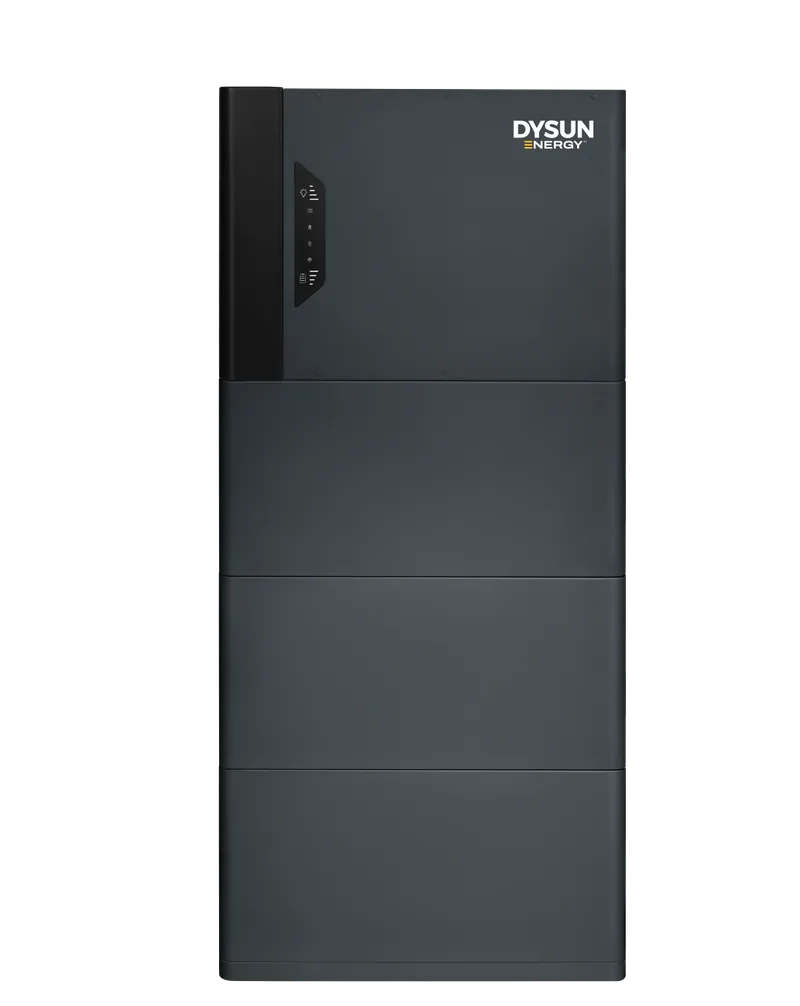
Our FlexGrid works brand-independently. Batteries, solar panels, charging stations and heat pumps come together on the same platform, even when they are from different manufacturers.
The system speaks more than 500 communication protocols and works with well-known brands such as Growatt, Victron Energy, SMA and Deye. That means it connects to what you already have, and you do not have to replace a working installation to be able to steer more intelligently.
Battery, inverter and control work as a whole. Whatever you add to your home afterwards becomes part of that same control.
Energy management needs something to drive. These are the products that form one system with us.
All-in-one home battery with an integrated inverter, expandable per module and suitable for backup power.
7.6 – 22.7 kWh Storage · single-phaseLFP home battery with a backup function, built from modules of 5.12 kWh and protected in seven layers.
5.1 – 20.4 kWh InverterHybrid inverter for single- and three-phase installations, with two MPPT inputs and backup within 10 milliseconds.
3.68 – 12 kW ControlThe layer that ties everything together: forecasting, distributing, monitoring and trading on the energy markets.
500+ protocolsTell us what you use and what is already in the house. Then we show how those devices can be tuned to each other and which set-up goes with that.