

You start from what you use now
Your installer works out how much solar power you have left over on an average day and picks the number of modules to match. Capacity that rarely fills up rarely returns anything either.
A stackable storage system on lithium iron phosphate, where you build capacity out of modules instead of fixing it in one go. You choose the single-phase LV or the three-phase HV, and add a module later if your consumption changes.
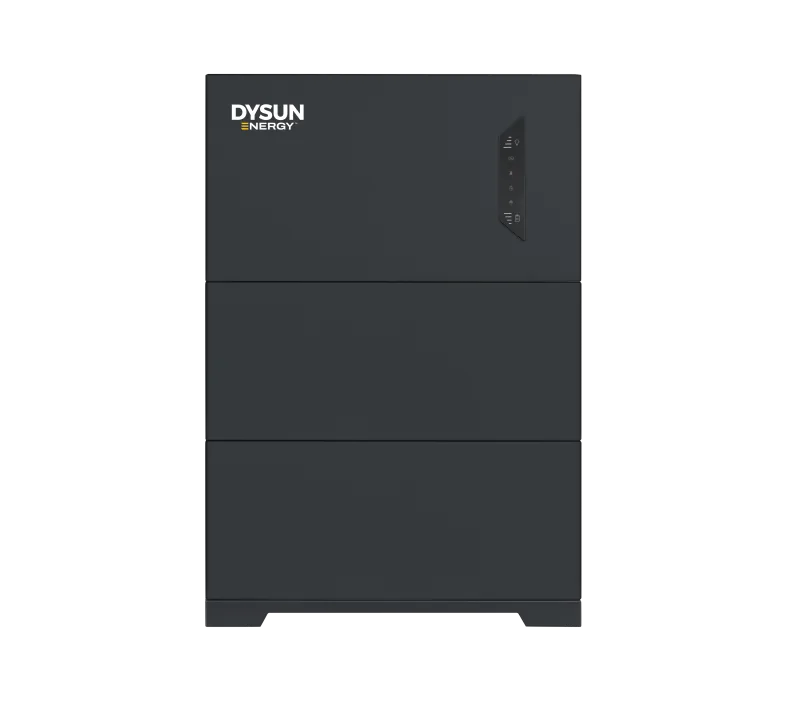
Every FlexVolt is built up from identical modules that stand on each other. The series runs from 5.1 kWh for a single module to 22.7 kWh for a fully built-out HV system, and further still with systems in parallel. Whatever is on top, the technology underneath stays the same.
That basis is lithium iron phosphate with a depth of discharge of 95%, a service life of 7,000 cycles, an IP66 enclosure and a ten-year warranty. So you do not pay in advance for capacity you are not using yet, and you do not have to start over later.
For installers
We send the full datasheet and the brochure with mounting dimensions and wiring diagrams on request.
Modular sounds like a technical detail, but mostly it changes the order in which you decide. You do not have to guess in advance how much storage you will need later.
Your installer works out how much solar power you have left over on an average day and picks the number of modules to match. Capacity that rarely fills up rarely returns anything either.
Through the app and the web environment you see per day what was generated, stored and fed back. After one winter and one summer you know whether the system fills up structurally or whether there is room to spare.
If your situation changes through a heat pump, a second electric car or working from home, a module slides in on the same installation. The control module, the cabling and the spot in the shed stay as they are.
The FlexVolt carries a ten-year warranty. These points decide whether those are ten quiet years.
Modules connect to each other on the same main control module, and systems can run in parallel. That takes the series from a single module to a fully built-out system, without changing installation along the way.
The cells are lithium iron phosphate, the chemistry known for its stability. On top of that sits a safety system of seven layers, and with IP66 the enclosure is closed to dust and water.
There is a heating module inside, which keeps the system charging and discharging in frost as well. That makes a garage, a shed or an unheated utility room a perfectly good place.
The depth of discharge is 95%, so an LV module of 5.12 kWh leaves you 4.75 kWh to actually use. That counts in the yield per cycle, and across 7,000 cycles it adds up.
A system that stands waiting uses electricity itself too. The FlexVolt keeps that under 2 watts, so its own consumption does not take a bite out of your yield.
You follow state of charge, generation and consumption in the app, and updates arrive over the air. Control is built into the inverter as standard, and FlexGrid brings in your heat pump and charger too.
The two versions share chemistry, depth of discharge, service life, IP66 and warranty. The difference is in the connection, the voltage and the step in which you expand.
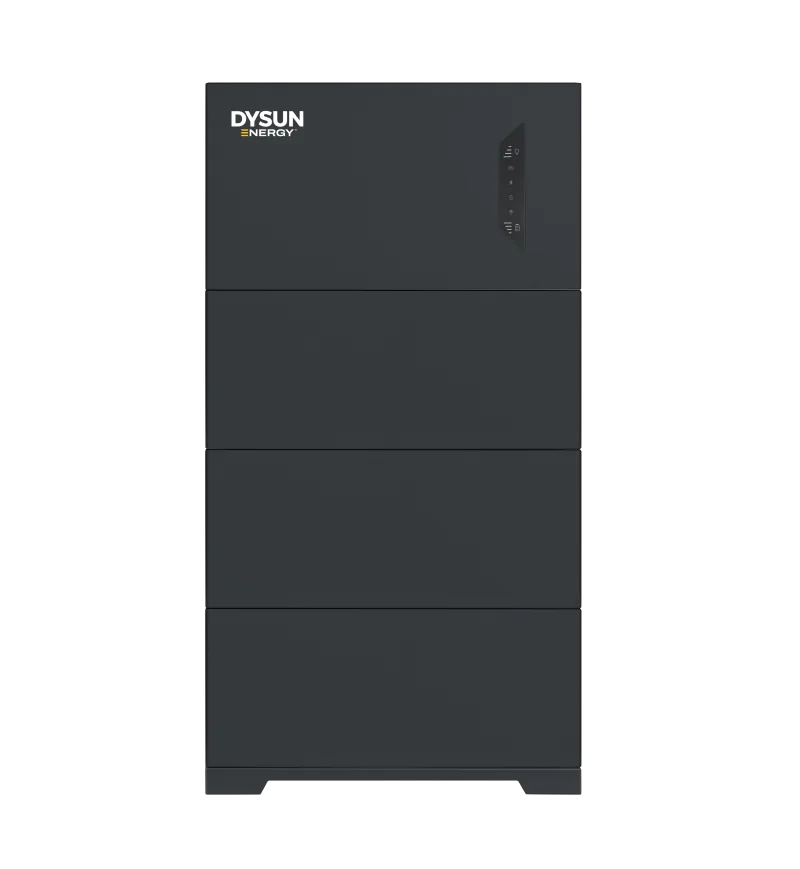
The LV is the choice with a single-phase connection. You build up in steps of 5.12 kWh and the charge and discharge current runs up to 125 A, so an evening peak is absorbed too.
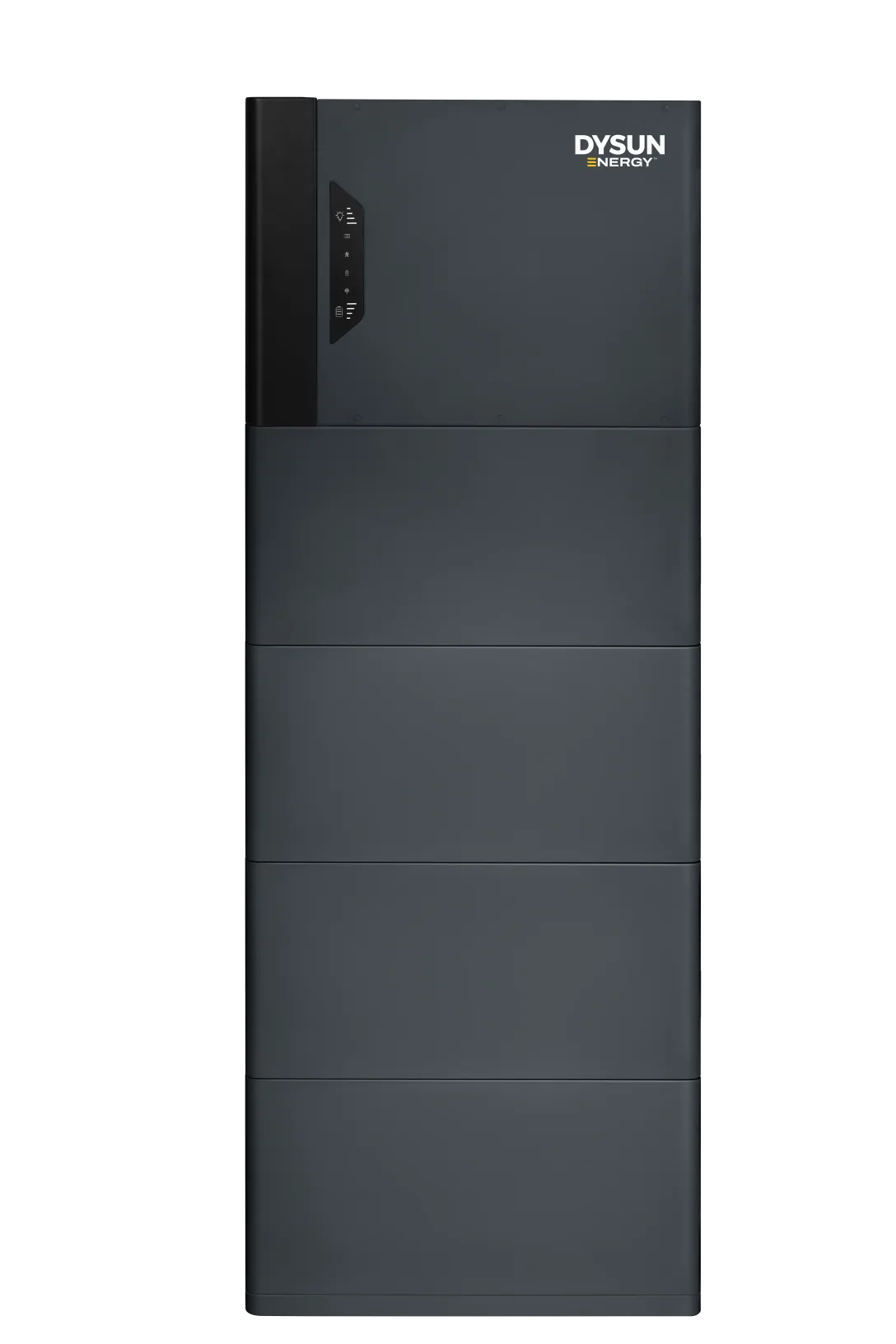
The HV goes with a three-phase connection and works at 102.4 V. In this version the power section, the energy management and the battery monitoring work together in one fully integrated inverter.
Yes. Thanks to the built-in heating module the battery stores energy at temperatures down to -20 degrees Celsius as well. If the sun delivers too little in December, the system tops up from the electricity grid, so you still use the stored power at the expensive moments of the day.
The operating range runs from -20 to 50 degrees Celsius. Together with the IP66 enclosure that means you are not tied to a heated room: wall or floor mounting in a garage, shed or outbuilding both work. Every module also has G2 ShockWatch impact indicators, so on delivery it is immediately visible whether something went wrong on the way.
The system can be used in three set-ups: on-grid for your own consumption, on-grid with backup so the home keeps running during an outage, and fully off-grid. Which of the three suits you depends on your connection and on what you want to keep running when the grid drops out.
In the Netherlands the FlexVolt is delivered and fitted by installers we certify for it. They decide the number of modules, the place and the connection, and hand the system over working.
If you do not know yet who you want to work with, we put you in touch with an installer near you. If you are an installer yourself, the partner page explains how you take on our products and what support goes with that.
On this page we explain what the FlexVolt does and which version goes with which situation. If you already know what you need, ordering runs through your installer. If you are still unsure about the number of modules, get in touch first, that saves a wrong choice.
Key features
The size differs per set-up; these properties are in every version of the series.
LFP cells, chosen for their stable behaviour and not for the highest energy density.
95% of the capacity is usable, so the stated size is also the size you calculate with.
Specified at 7,000 cycles, with a ten-year warranty on the battery pack.
An IP66 enclosure with a heating module, so an unheated garage or shed is no objection.
Identical modules on the same control module, expandable without replacing the system.
G2 ShockWatch impact indicators per module show whether there were any knocks along the way.
Send us your annual consumption and the power of your solar panels, and we will work out which set-up fits and what it returns. Calling works too: +31 (0)85 800 1730.